
5.0 Rating
473+ Reviews

Re-piping
When plumbing fails repeatedly — pinhole leaks in copper that keep coming back, galvanised pipes losing flow and pressure year by year, or a polybutylene system past its service life — the problem isn’t the individual leak. It’s the pipe itself.
Repiping replaces the entire supply line system, or a failing section of it, with new material designed to last 50 years or more. It ends the cycle of recurring spot repairs and the water damage that follows them — and it’s considerably less disruptive to a home than most people expect.
SoCal 1 Plumbing & Rooter completes both whole-home repiping and targeted partial section repiping in copper, PEX, and CPVC. The right material depends on your home’s configuration, budget, and the specific application. We walk through the options, the differences, and the reasons for our recommendation during the free in-home estimate — so you can make an informed decision before committing to anything.
Every repipe begins with a thorough assessment of your existing system: the current pipe material and its condition, the layout, access points, fixture count, and the expected scope of work. Most residential repipes are completed in one to three days, with water service typically restored at the end of each working day so the household isn’t without water overnight.
Financing is available for qualified customers. Repiping is a significant investment — and spreading the cost over time is a practical option many homeowners take advantage of. Ask about financing options when you call.
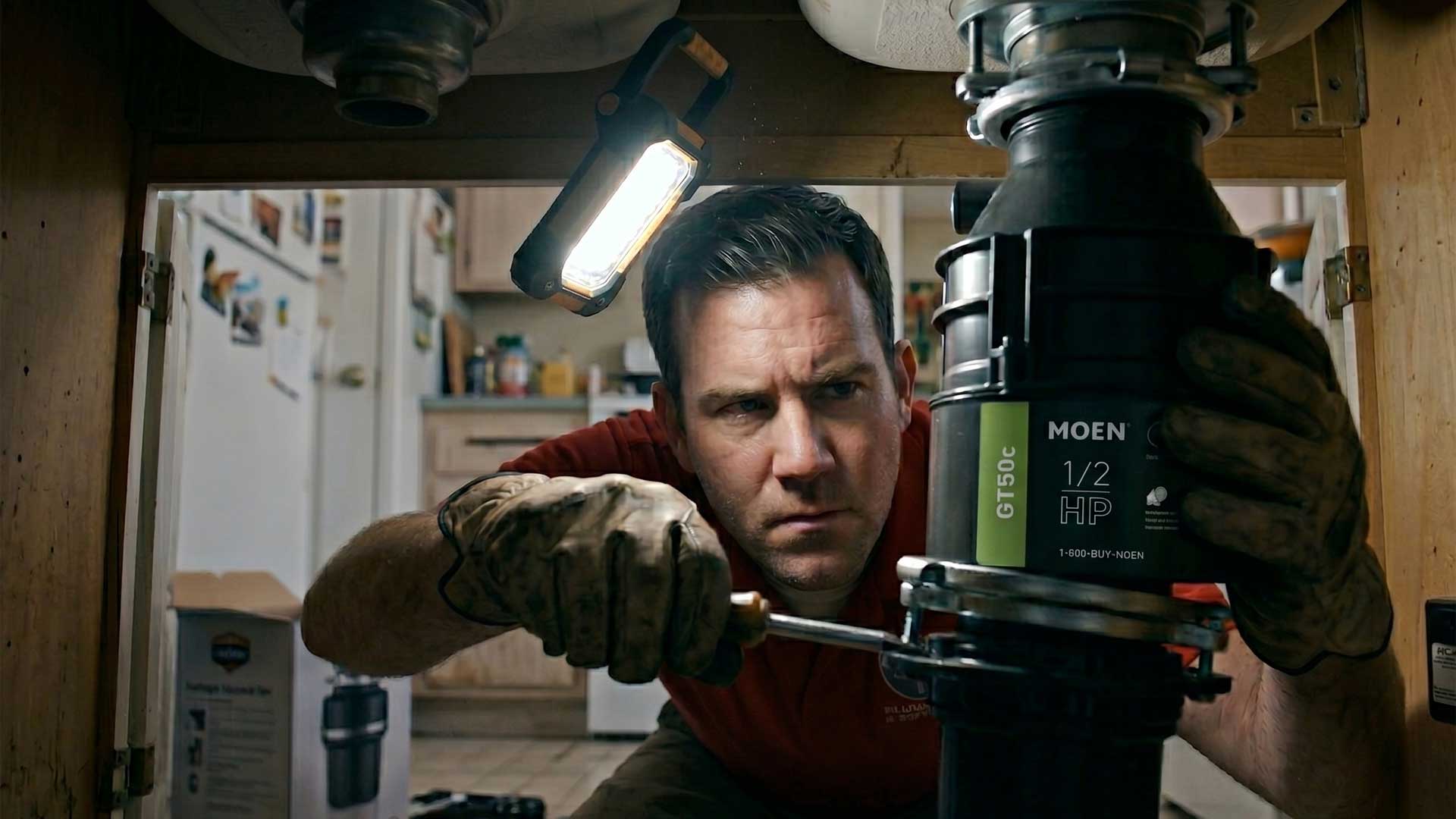
Repiping is rarely an impulse decision — it typically follows a pattern of escalating pipe problems that spot repairs are no longer keeping pace with. These are the clearest indicators that repiping is worth a serious conversation.
Recurring pinhole leaks in copper pipes — especially three or more in the past two years. A single pinhole leak in copper is a localised problem. Two or three in a short period in different parts of the house indicates the pipe wall is failing systemically — the corrosion is widespread, not isolated. Repiping is more cost-effective than continuously chasing leaks that will keep appearing.
Low water pressure throughout the entire house, not at a single fixture. Pressure loss at one fixture suggests a localised blockage or valve issue. Pressure loss throughout the home — across multiple fixtures simultaneously — suggests the supply lines themselves are restricting flow, typically due to internal scale buildup in galvanised pipes or widespread corrosion reducing the pipe’s interior diameter.
Rust-coloured, brown, or metallic-tasting water from both hot and cold taps. Discoloured water from hot taps alone suggests a water heater issue. Discoloured water from both hot and cold simultaneously points to the supply lines — typically galvanised steel pipes corroding from the inside and releasing rust into the water.
Your home has galvanised steel pipes — common in homes built before 1970. Galvanised pipes have a typical service life of 40 to 70 years. If your home is over 50 years old and still has original galvanised supply lines, a condition assessment is worthwhile. Even if the pipes aren’t actively leaking, internal corrosion may already be significantly restricting flow.
Your home has polybutylene pipes — the grey flexible plastic pipe common in homes built between 1978 and 1995. Polybutylene degrades over time when exposed to chlorinated water and is prone to sudden failure without obvious warning signs. Its use in residential construction was discontinued due to failure rates, and repiping is the recommended long-term solution for homes that still have it.
Your water meter continues to move with all fixtures off. If you turn off every water-using fixture and appliance in the house and the meter dial or leak indicator is still moving, water is escaping somewhere in the supply system. If a camera inspection or leak detection hasn’t located a single point of failure, widespread pipe deterioration may be the cause.
Your home is over 50 years old and the pipes have never been replaced. If you’ve purchased an older Orange County home and have no record of the plumbing having been updated, a pipe condition assessment during a repipe estimate is the responsible first step — particularly if you’re experiencing any of the signs above.
473+ Reviews
License #1085794
100% Guarantee
Since 2021
Process
We make solving your Re-piping hassel-free from start to finish.
Call us or book online. Repiping is a scope-dependent service — the estimate requires a visit to assess your existing pipe material, system layout, fixture count, and access conditions. The in-home estimate is free and comes with no obligation.
Your technician inspects the existing pipe system, identifies the material and condition throughout the home, and documents the repipe scope. We then walk you through the material options — copper, PEX, or CPVC — explaining the differences, the pros and cons of each for your specific home, and the basis for our recommendation.
We provide a full itemized quote covering all labor, materials, and associated costs. Where required by California code, we handle the permit process. Once you approve the quote and the permit is in place, we schedule the repipe crew for a start date that works for your household.
Our repipe crew opens access points, removes the old pipe system section by section, and installs the new supply lines throughout the home. We work methodically to minimize disruption — water service is typically restored at the end of each working day so the household isn't without water overnight.
After installation, the new pipe system is pressure-tested to confirm all connections are sound and the system holds pressure correctly. Where a permit was pulled, the inspection is arranged and completed. Your new pipe system is confirmed to code before we close any access points.
Access points are patched to a condition consistent with the surrounding surface. The work area is cleaned up, and you receive full warranty documentation — our one-year labor warranty and the material manufacturer warranty — in writing before we leave.
We are commited to provide the highest quality plumbing service.
We repipe in all three primary materials — copper for traditional installations and longevity, PEX for flexible routing in tight spaces and resistance to freezing, CPVC for hot water lines where cost is a consideration. During the in-home estimate, we explain the differences and recommend the material that’s right for your specific home configuration and long-term goals.
Not every repiping job requires replacing every pipe in the house. Sometimes a section that’s failing — a specific run of galvanised pipe, a cluster of copper that’s developed multiple pinholes — can be replaced in isolation while the rest of the system remains serviceable. We assess the full system and recommend the scope that actually needs to be done, not the most expensive option by default.
Repiping is a significant investment — and for many households, financing is the practical path to making it happen without depleting savings. We offer financing options for qualified customers. Ask about available terms when you call for your free estimate.
Every SoCal 1 repipe is performed by a licensed, insured crew, permitted where required by California code, and backed by a one-year workmanship warranty plus the manufacturer warranty on all materials. You receive complete documentation in writing before we leave.
FAQs
Everything you need to know about our Re-piping before you call.
The decision point is usually frequency and distribution. A single leak in an otherwise healthy pipe system warrants a spot repair. When leaks are recurring in different locations throughout the house — particularly in copper pipes showing multiple pinholes within a few years — the pipe wall is failing systemically, and each spot repair is just finding the next weak point. We assess this during the in-home estimate and give you an honest comparison of the long-term cost of continued spot repairs versus the one-time cost of repiping.
Copper is the traditional choice — durable, long-lasting (50+ years), and the gold standard for potable water supply lines. It’s the most expensive material but also the most proven. PEX is a flexible cross-linked polyethylene pipe that’s easier to route through walls and around obstacles, resistant to freeze-thaw cycles, and corrosion-proof. It’s increasingly the most common choice for whole-home repipes. CPVC is a rigid plastic pipe suitable for hot and cold water lines, lower cost than copper, and resistant to corrosion — a common choice for partial section replacement. We recommend the right material based on your home’s configuration, the specific application, and your priorities.
Most single-family residential repipes are completed in one to three days depending on the size of the home, the number of fixtures, and the access conditions. Water service is typically restored at the end of each working day — the household isn’t without water overnight. We give you a specific timeline during the in-home estimate based on your home’s actual scope.
Less disruptive than most homeowners expect — though it does require access to walls, ceilings, or floors at specific points along the pipe runs. Our crew works methodically, limiting opened areas to what’s necessary. Water service is maintained at the end of each day. The access points are patched after installation. The biggest day-to-day impact is typically losing water access for a few hours each day while work is in progress — we coordinate with the household on timing to minimize inconvenience.
Yes — repiping requires a permit in most California jurisdictions, and the completed work is subject to inspection by the local building department before wall access points are closed. This is not a formality — the inspection confirms that the new pipe system is correctly installed and meets code. SoCal 1 handles the permit process so you don’t have to navigate it yourself.
In most cases, yes — access is needed at specific points along the pipe runs to remove old pipe and install new lines. The number and location of access points depend on the pipe layout and routing. In some configurations, PEX’s flexibility allows routing through smaller access points than rigid copper or CPVC. After installation, all access points are patched. If you have specific concerns about particular surfaces — tile, custom finishes, or structural features — raise them during the estimate and we’ll factor them into the routing plan.
From Our Customers
Real reviews from homeowners across Southern California who trusted So-Cal 1 for Re-piping


Your Local Team
Licensed, insured plumbing technicians serving Orange County homeowners — trained across the full range of residential plumbing services.
We provide Re-piping throughout Orange County. Select your city for local pricing and availability.
Call now for fast, reliable Re-piping service you can trust.